Promising Horizon
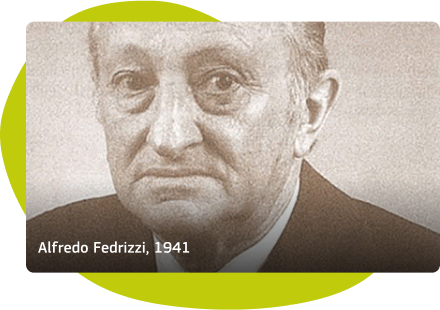
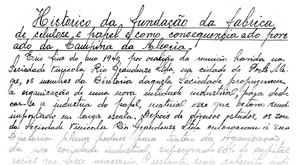
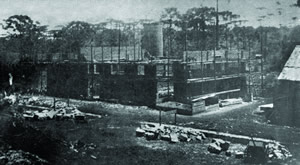
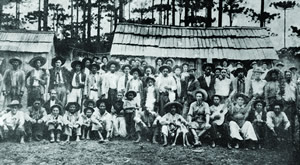
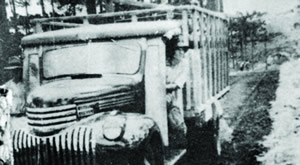
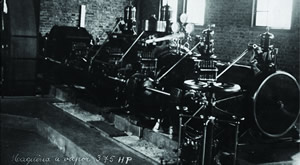
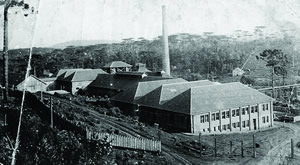
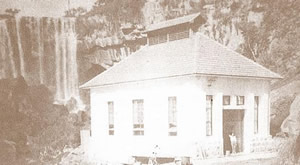
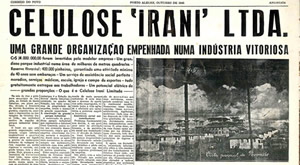
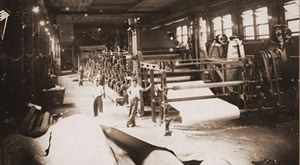
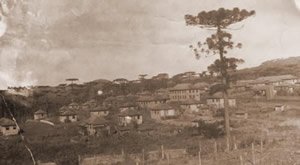
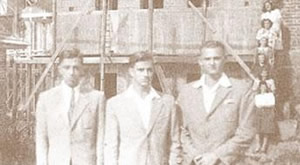
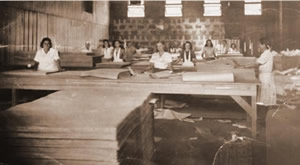
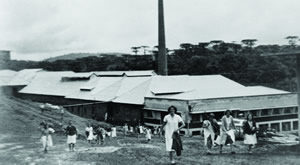
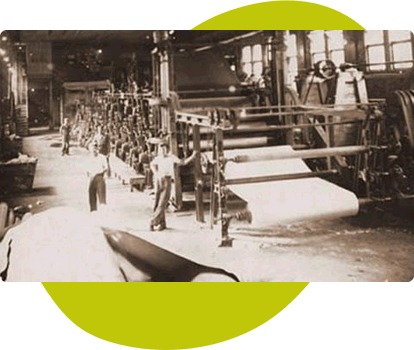
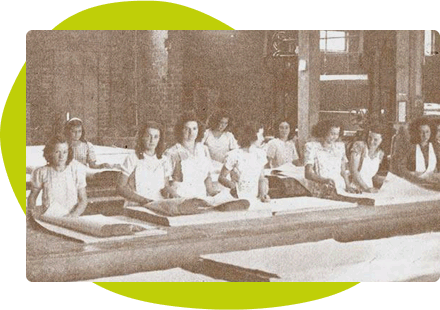
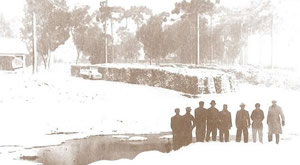
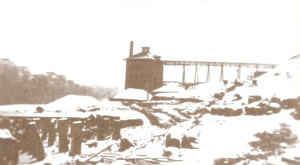
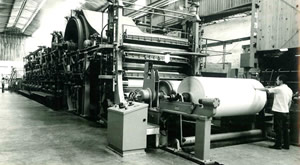
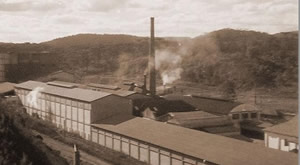
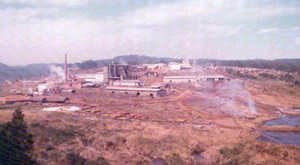
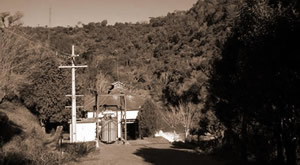
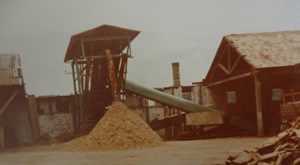
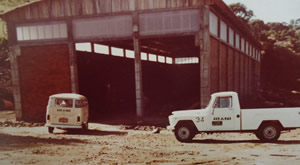
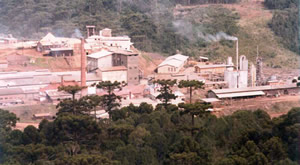
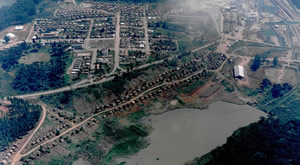
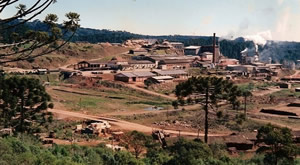
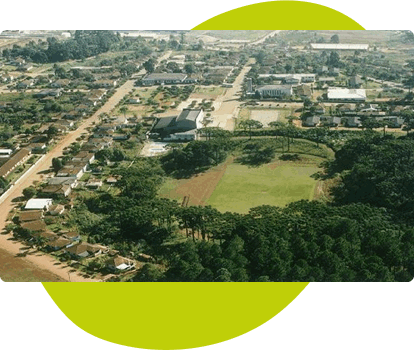
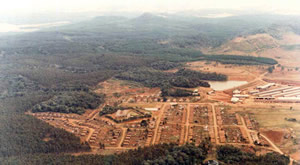
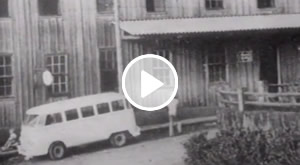
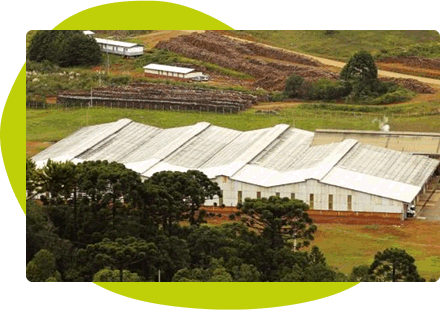
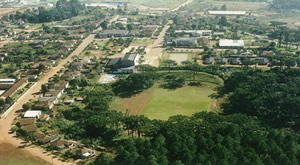
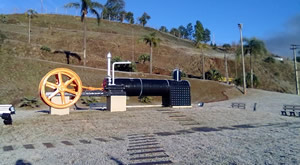
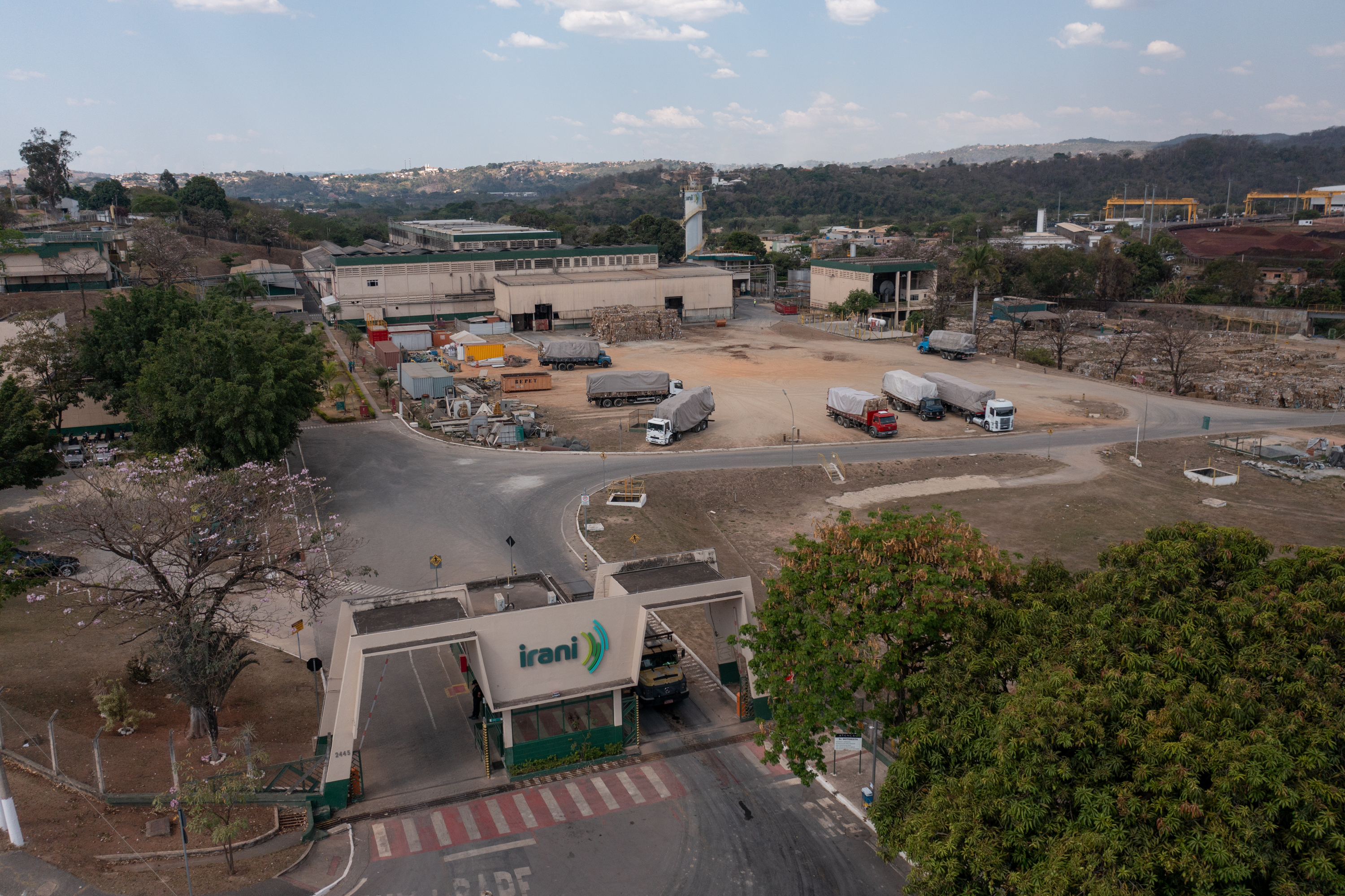
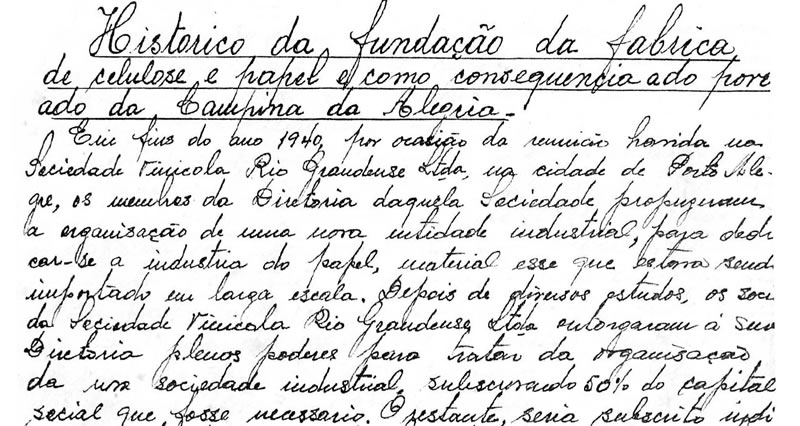
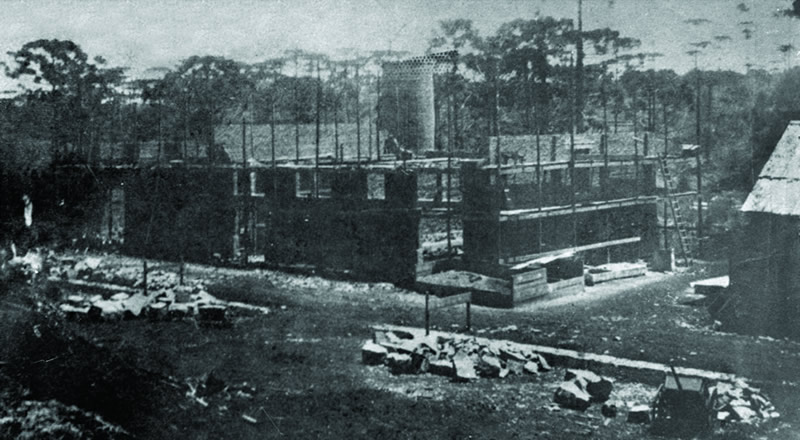
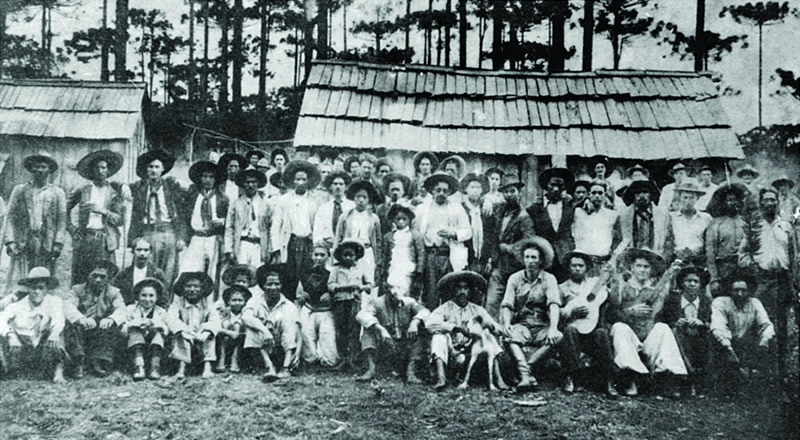
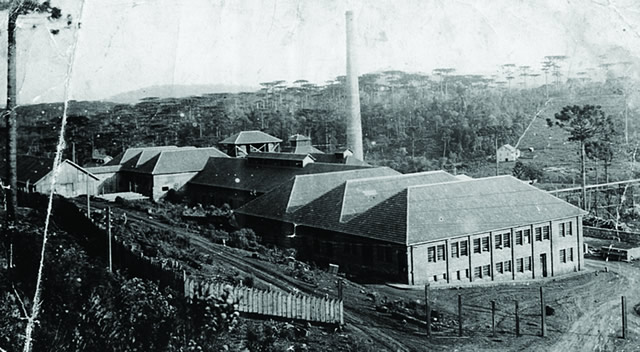
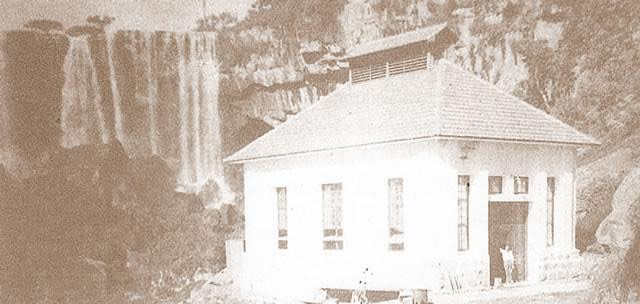
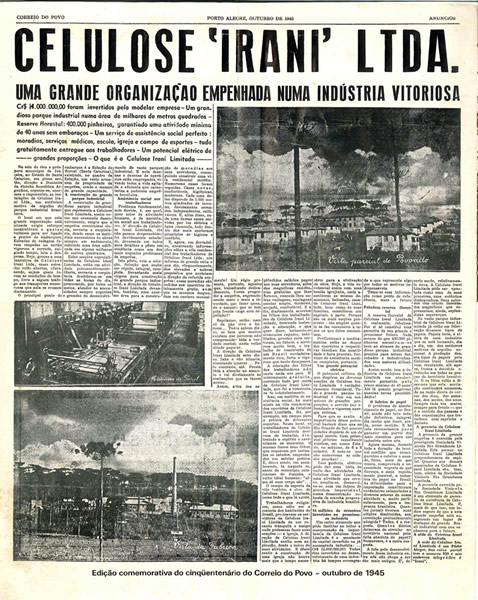
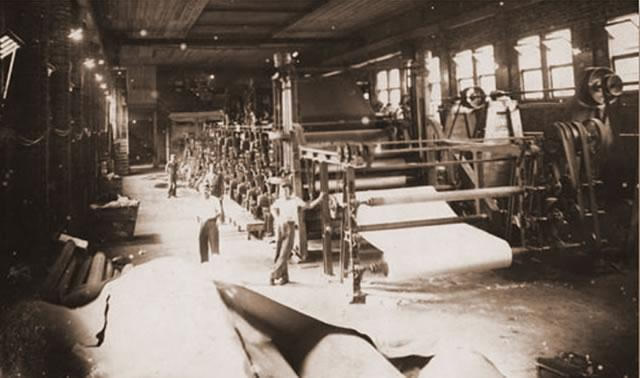
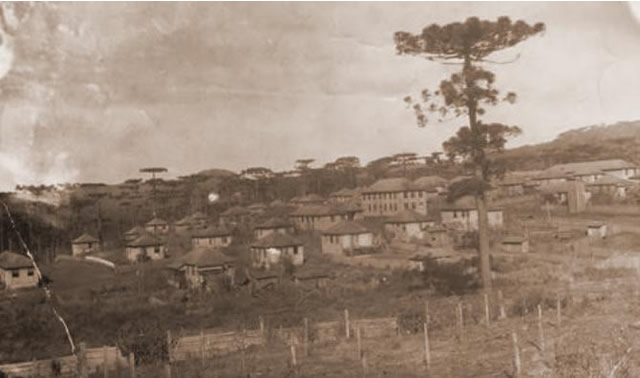
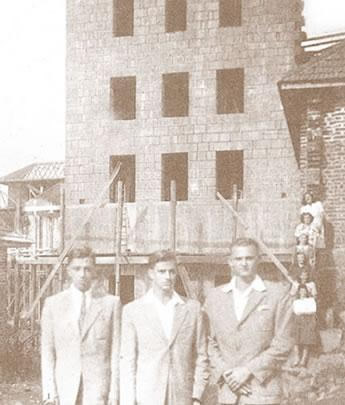
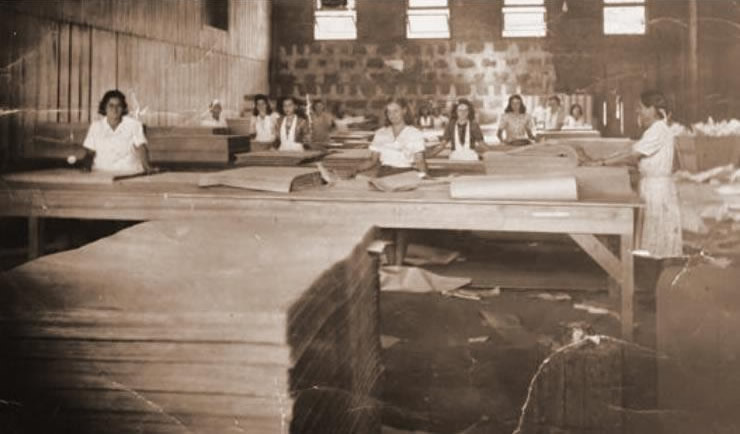
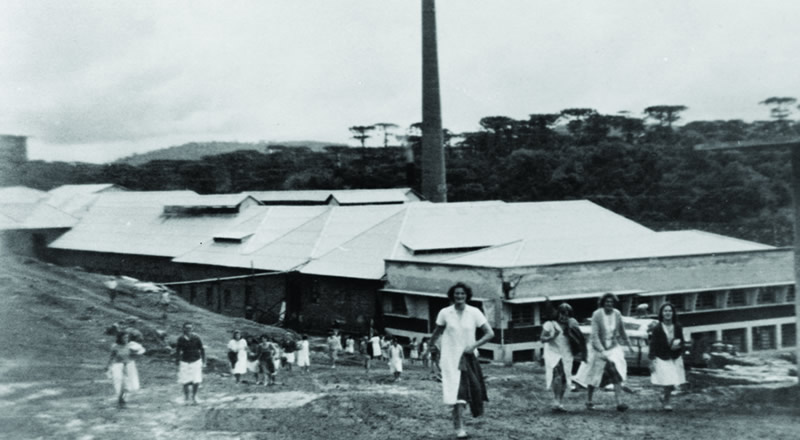
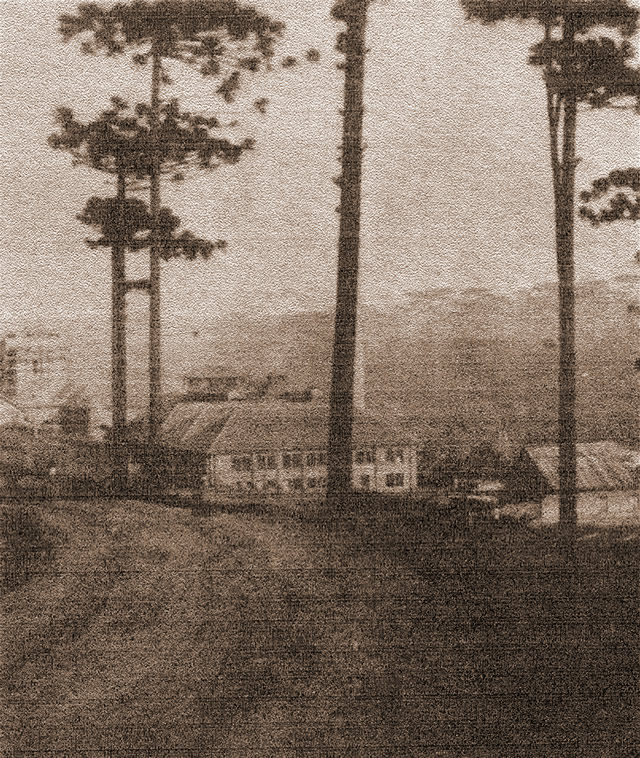
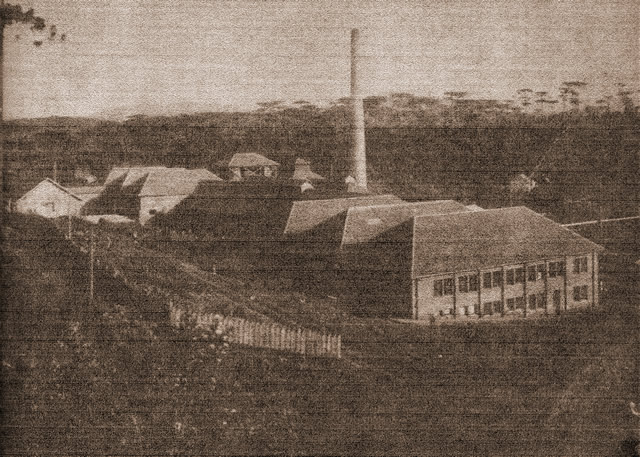
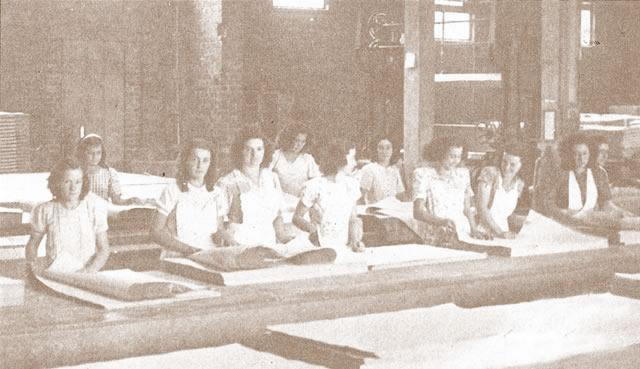
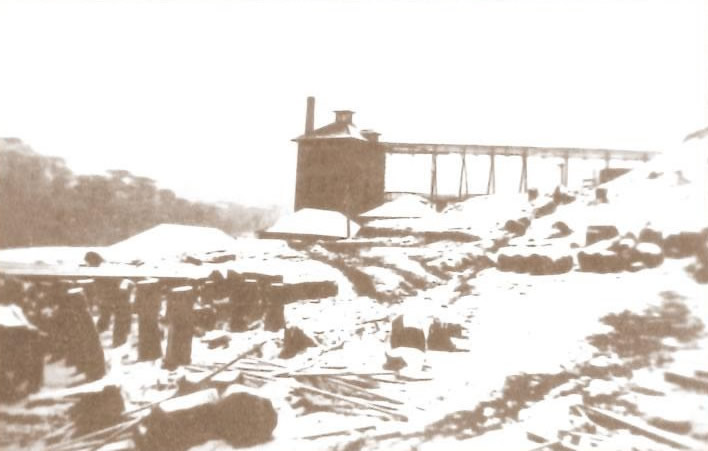
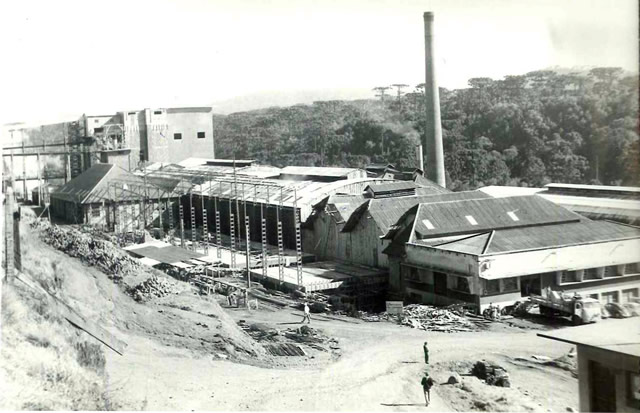
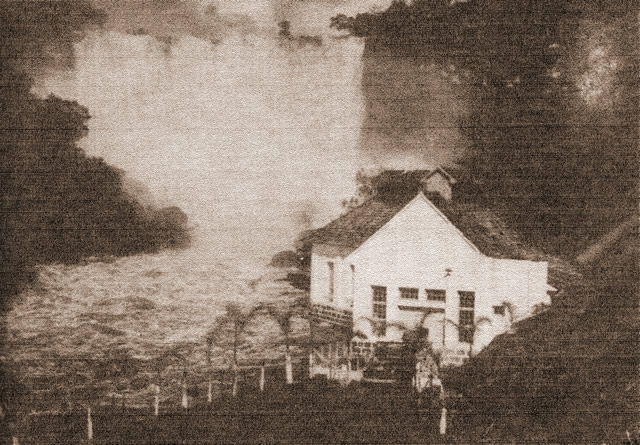
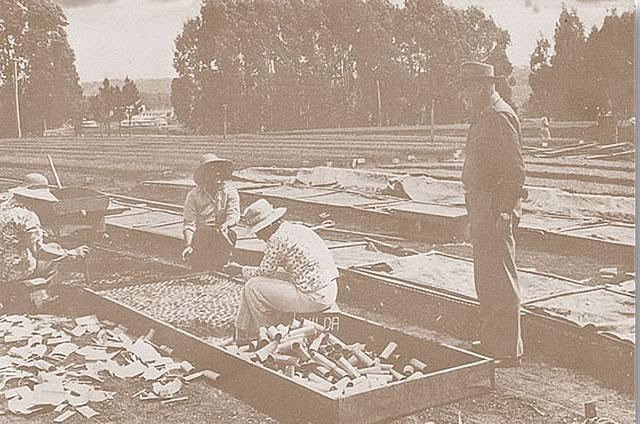
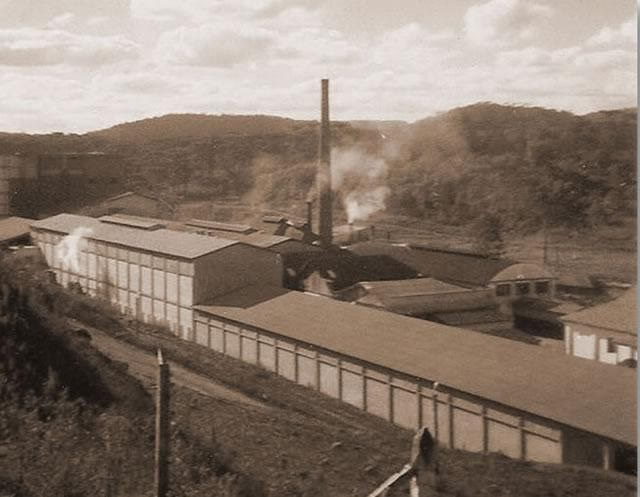
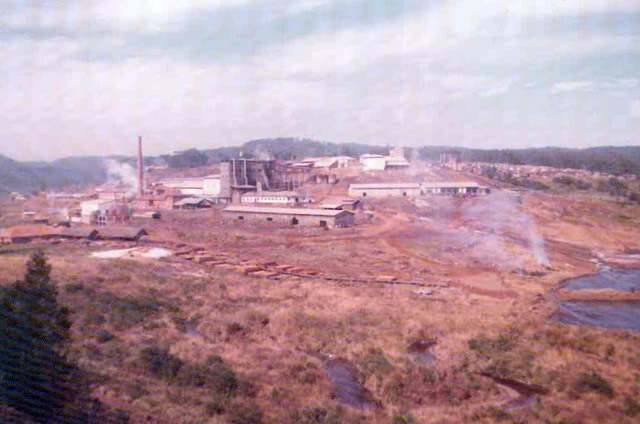
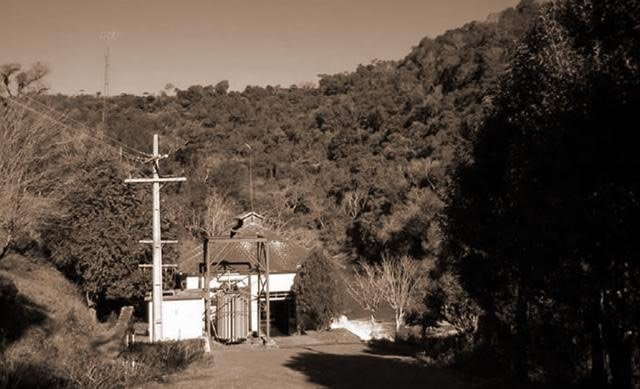
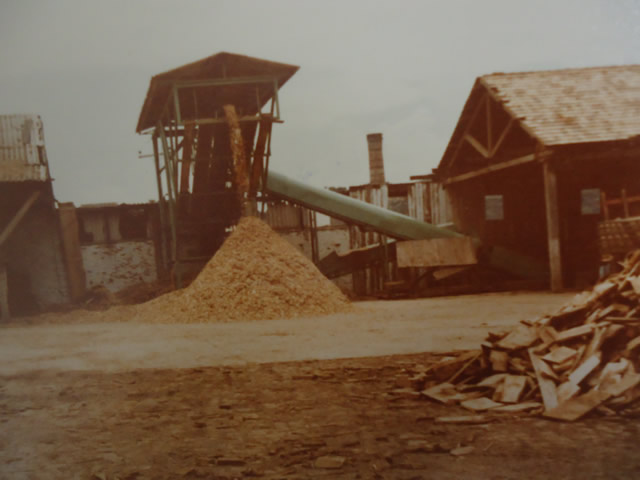
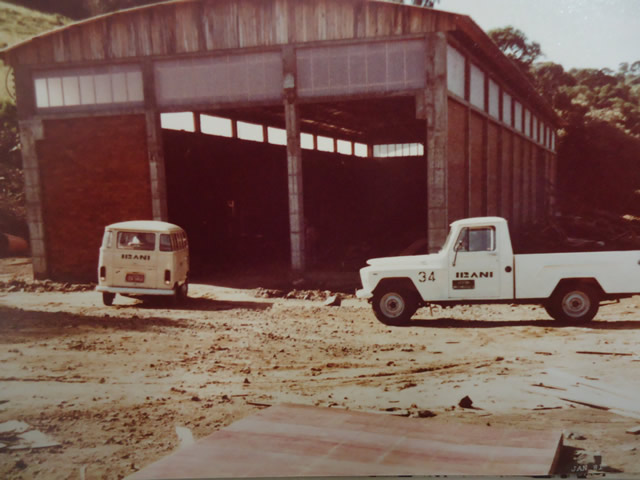
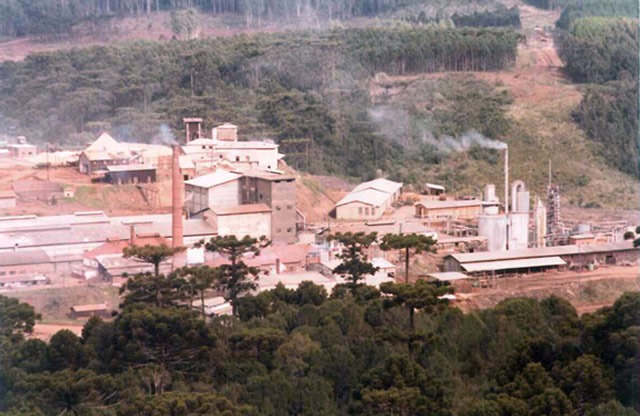
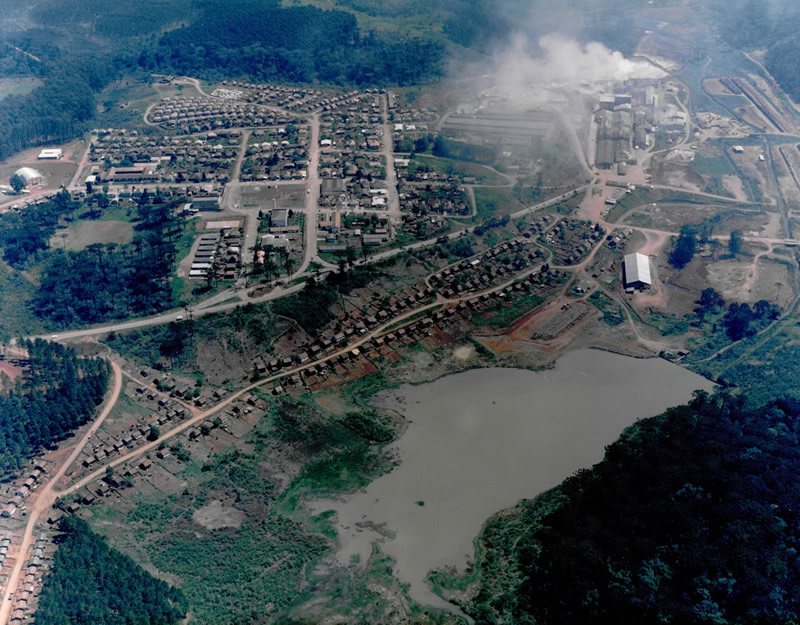
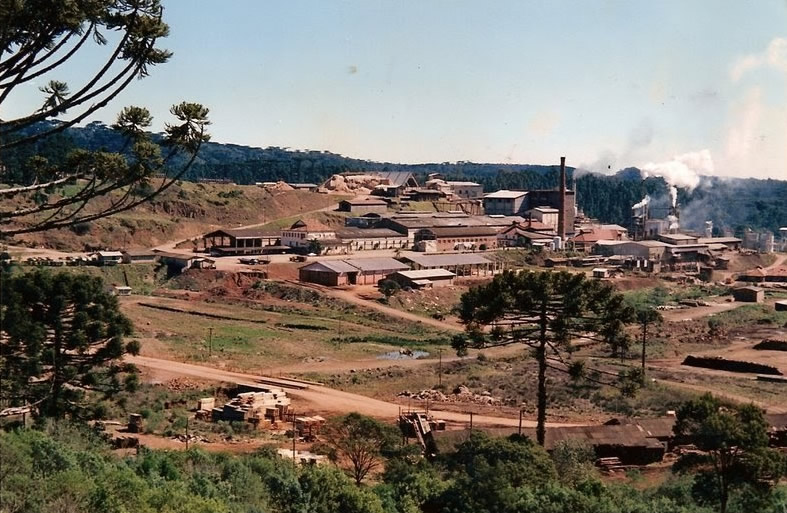
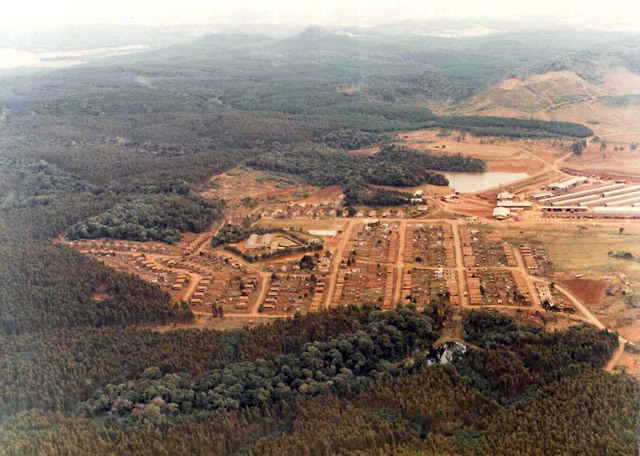
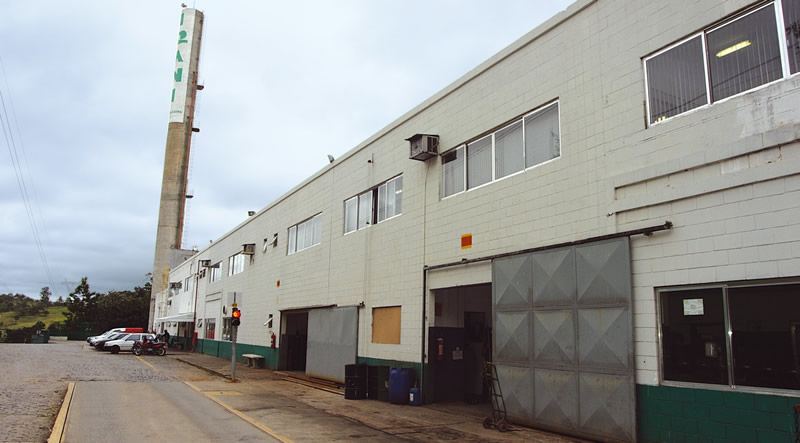
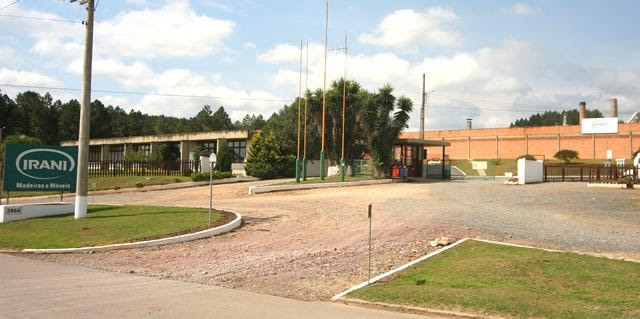
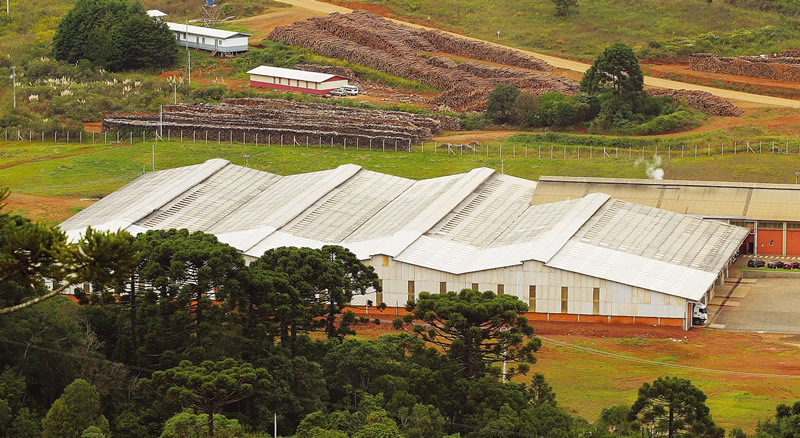
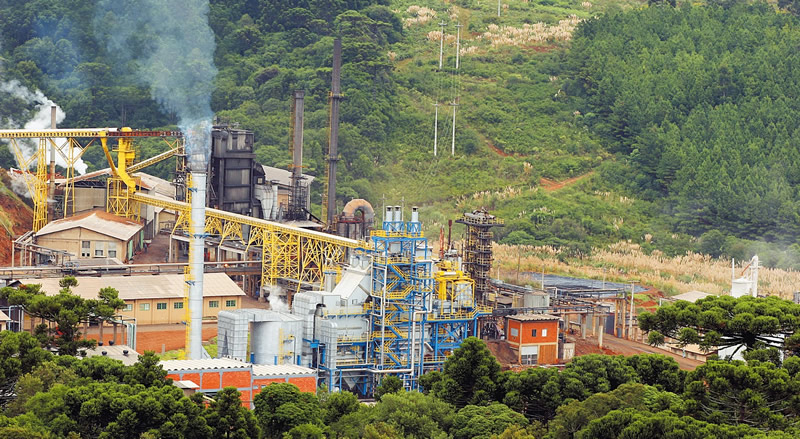
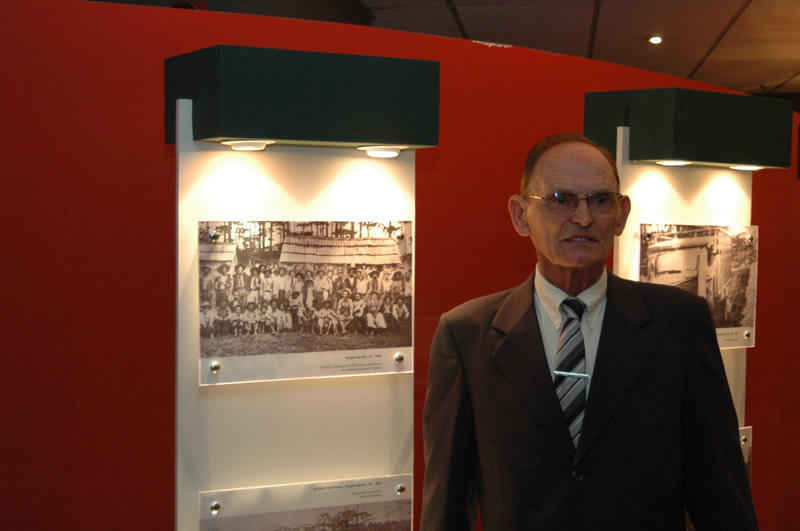
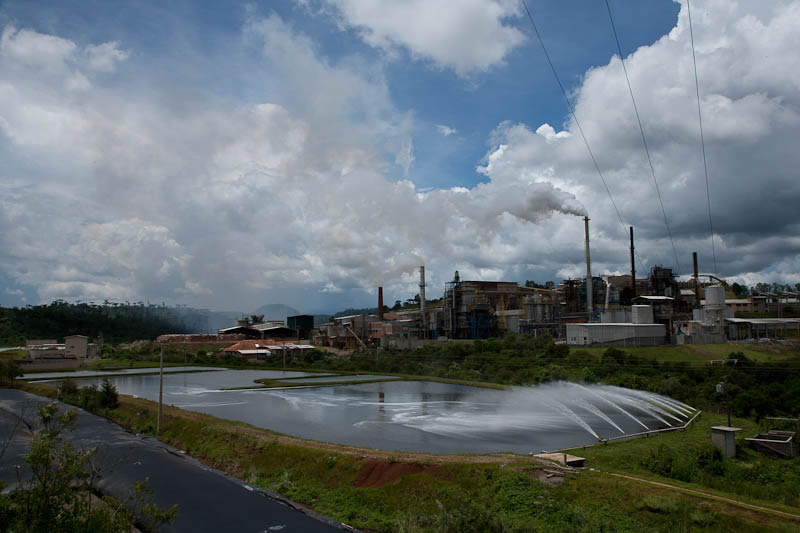
In the early 1940s, Alfredo Fedrizzi led an expedition in search of forests rich in pine trees. The goal? To build a paper mill. It was a bold attempt to diversify the business of Vinícola Riograndense, from Caxias do Sul. After traveling across regions in Paraná and Santa Catarina, the decision was made in favor of an area in the Midwest of Santa Catarina. In the remote region of Várzea Bonita, a forest of araucarias lay hidden—perfect for the beginning of production. A well-defined and promising horizon was taking shape for Irani.
Challenges Laid Out
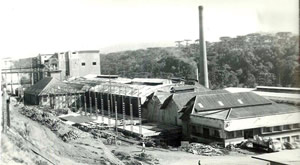
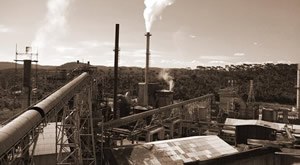
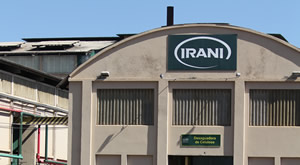
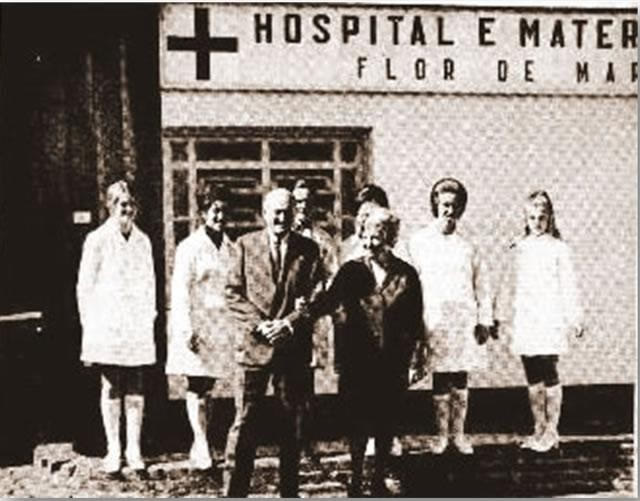
No matter the industry or the country, few companies have the distinction of celebrating 85 years of continuous operation. It is the legacy built over all this time that enables Irani Papel e Embalagem to face the cycles ahead.
Periods of instability and difficulty are part of the journey of any long-standing company. With Irani, it was no different—and it will be no different. The secret to reaching this point with such strength lies in how challenges are approached: guided by principles of innovation and ethics, and by placing people at the highest level of importance—customers, suppliers, shareholders, and employees.
Challenges Overcome
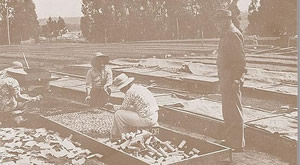
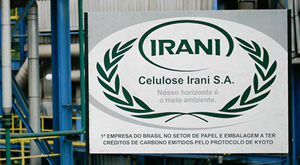
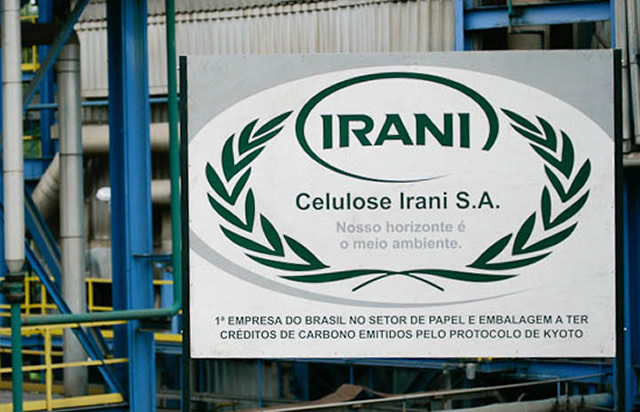
In the 1950s, Irani was a pioneer in reforestation in Brazil. It comes as no surprise, then, that in 2006 it became the first paper and pulp industry in the country to issue carbon credits under the Kyoto Protocol—and the second in the world.
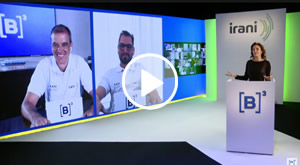
This innovative spirit was also evident in 2020, when the company raised BRL 405 million through a re-IPO and completed its migration to B3’s Novo Mercado, reaching more than 90,000 shareholders today. Movements like these were only possible thanks to improvements in governance and financial restructuring implemented from the 1990s onward, when the Habitasul Group took over operations.
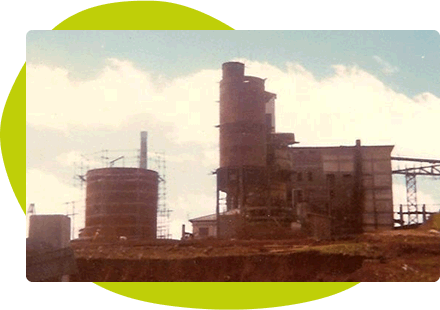
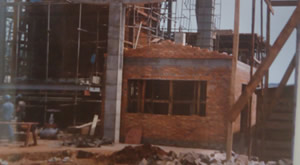
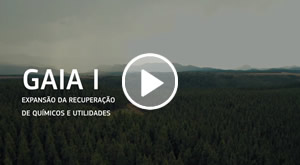
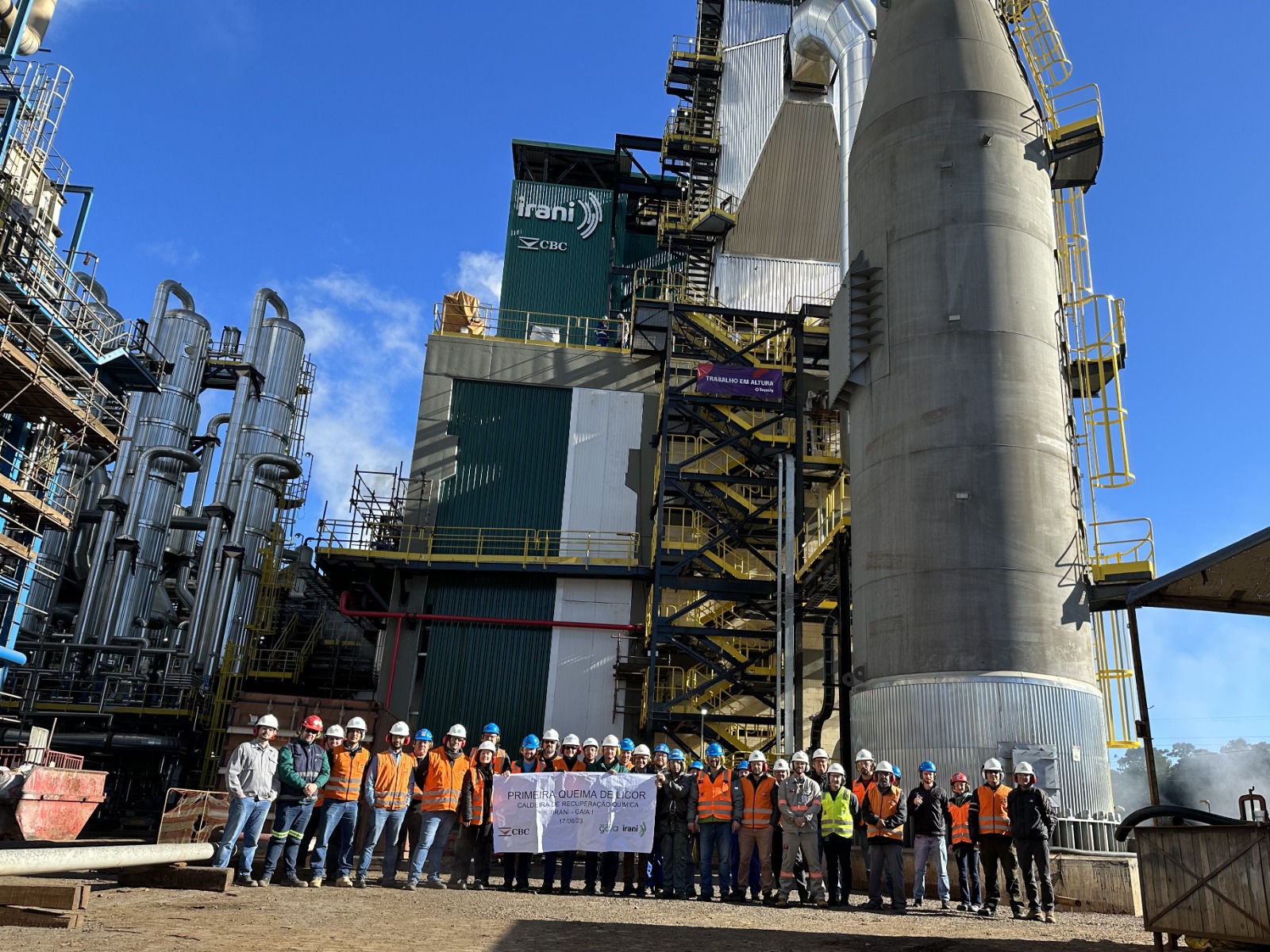
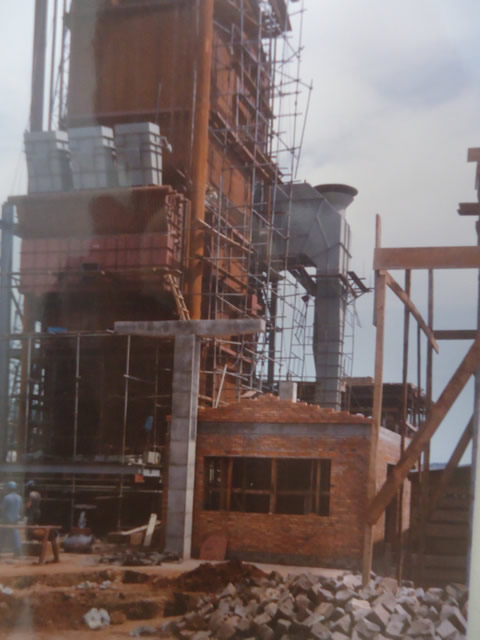
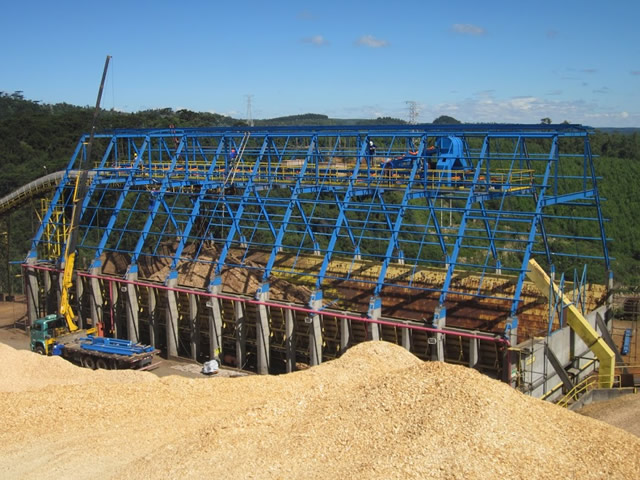
The five years between its 80th and 85th anniversaries were perhaps the most transformative in the company’s recent history. The Gaia Platform, launched in 2020, moved from concept to reality, taking shape through two major investment cycles totaling more than BRL 1 billion already deployed.
And now?
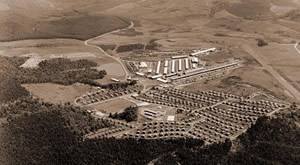
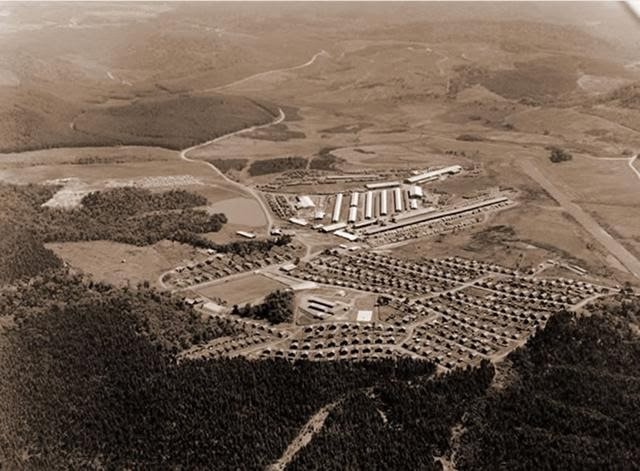
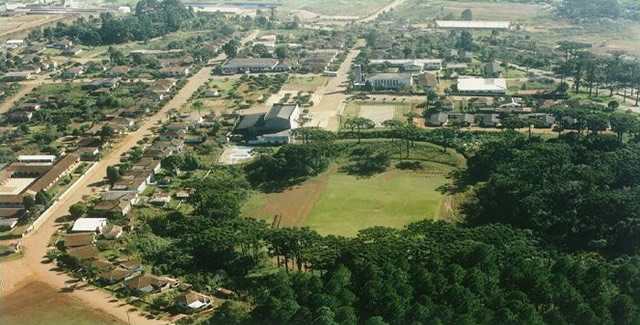
Eighty-five years after the pioneering efforts in Vila Campina da Alegria, Irani is already looking toward its next horizon. The Neos Platform—Gaia’s natural successor—reflects an unprecedented ambition: to double the company’s production capacity by 2035. This new cycle is built on solid foundations: Novo Mercado governance, expanding self-generated energy, science-based climate commitments, and a culture that has already proven its ability to reinvent itself.
Just as Alfredo Fedrizzi looked to the pine forests of Vargem Bonita in the early 1940s, Irani now looks toward 2035. Once again, there is a clearly defined horizon ahead.